San Fernando, Pampanga, June 3, 2026 – Key stakeholders from the fisheries sector gathered at The Orchid Gardens in San Fernando, Pampanga for the Inception Workshop of the WIPO GREEN Acceleration Project in the Philippines, an initiative aimed at mobilizing innovative technologies to address environmental and climate-related challenges in the fisheries sector.
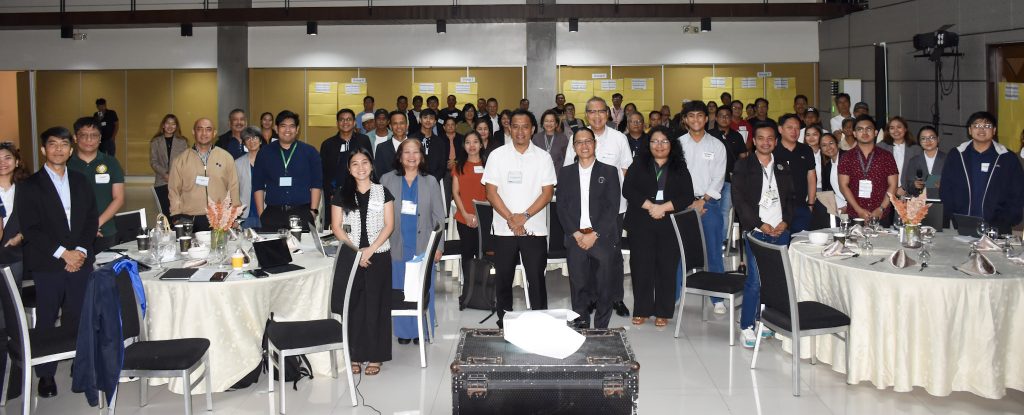
The workshop was organized by Eco Innovation Consultancy Inc. (EICI) in collaboration with the World Intellectual Property Organization (WIPO) and the Intellectual Property Office of the Philippines (IPOPHL). The event brought together representatives from national government agencies, academic institutions, local government units (LGUs), private sector organizations, and fisherfolk cooperatives and associations from across Region III.
The event formally opened with welcome remarks from Engr. Chamlette Garcia of IPOPHL, followed by messages of support from Mr. Ralphrant Atabay of the Bureau of Fisheries and Aquatic Resources (BFAR) Region III and Dr. Peter Oksen of WIPO. The speakers emphasized the importance of innovation, technology transfer, and multi-sectoral collaboration in addressing the challenges facing the fisheries sector while promoting sustainable development and climate resilience.
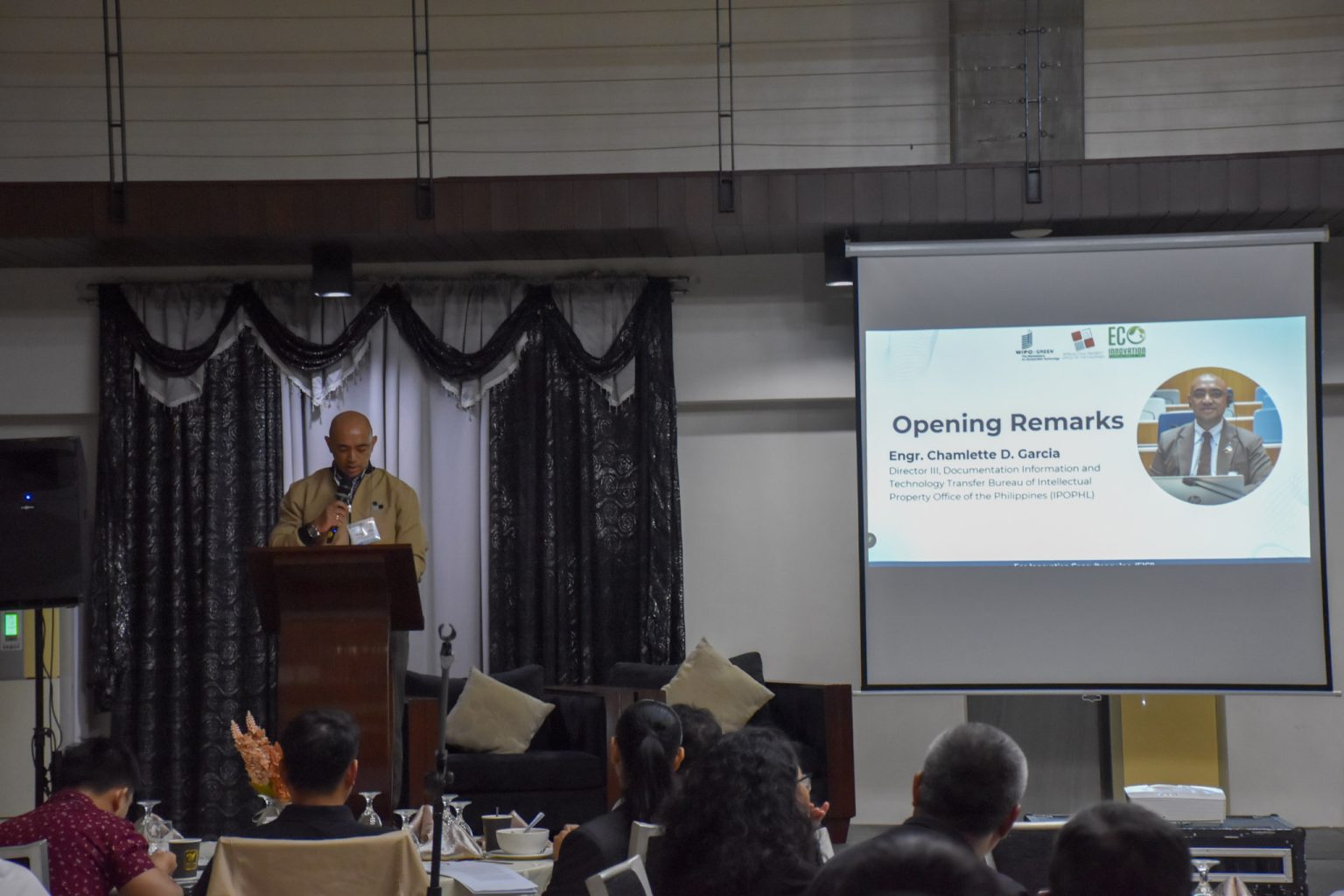
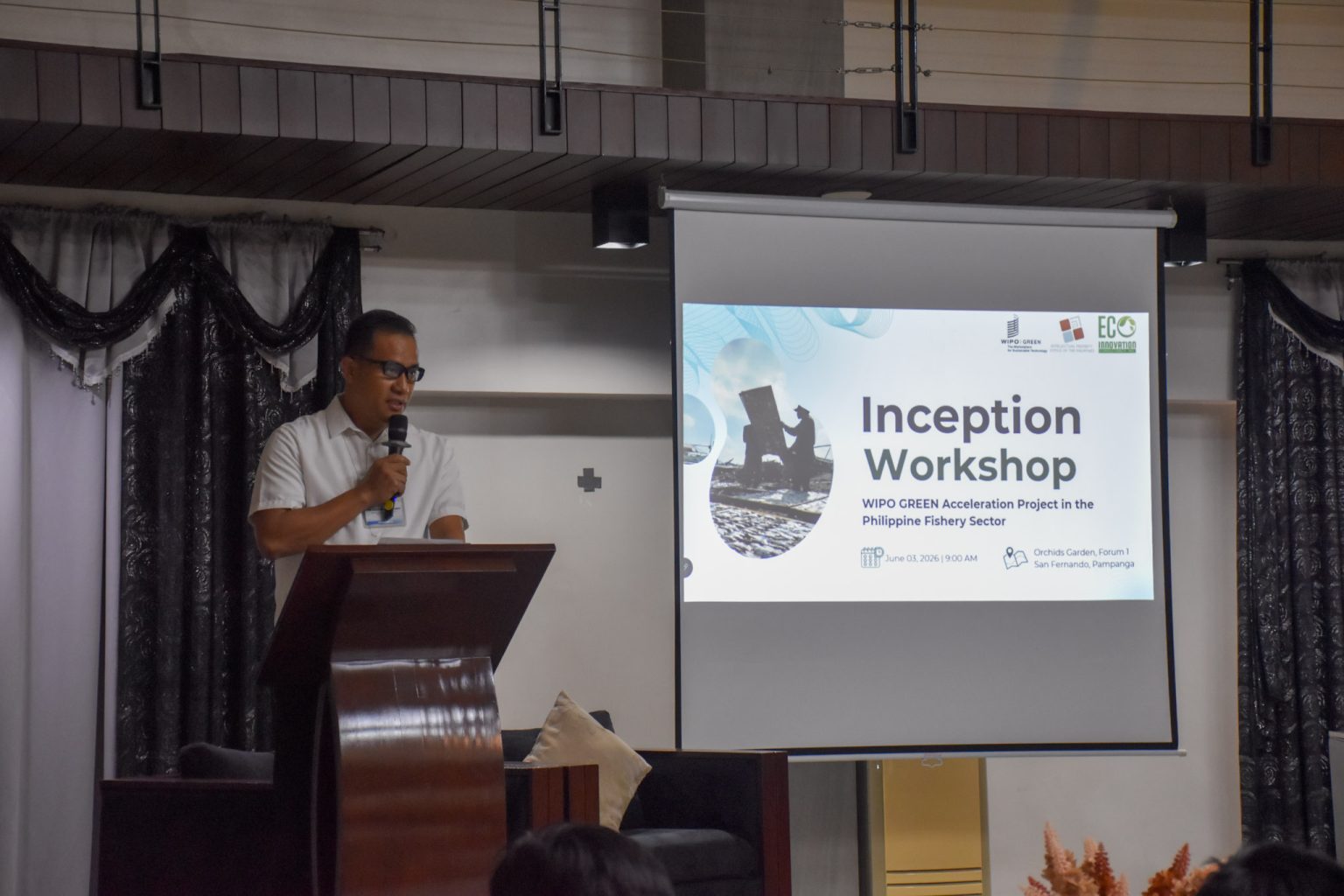
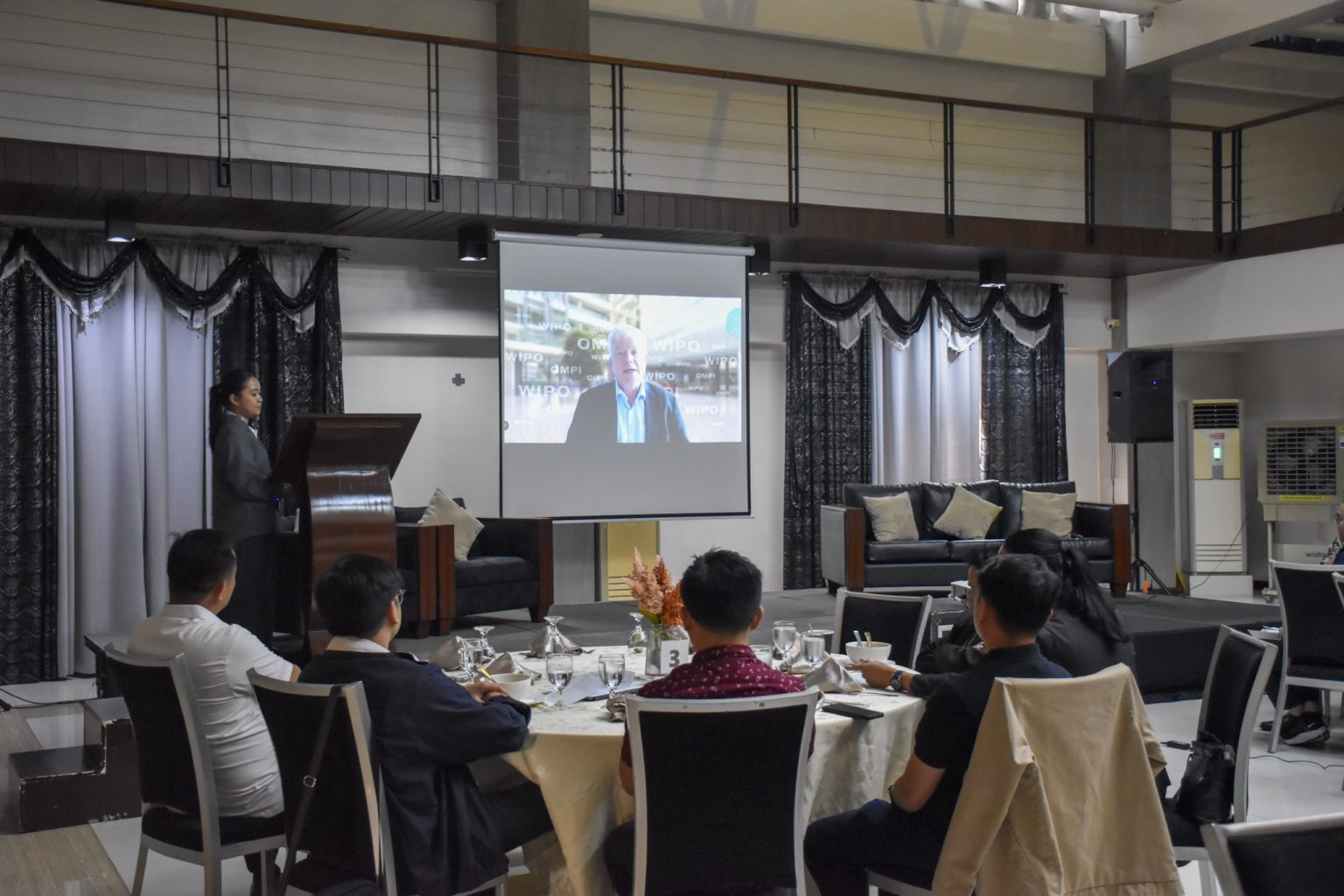
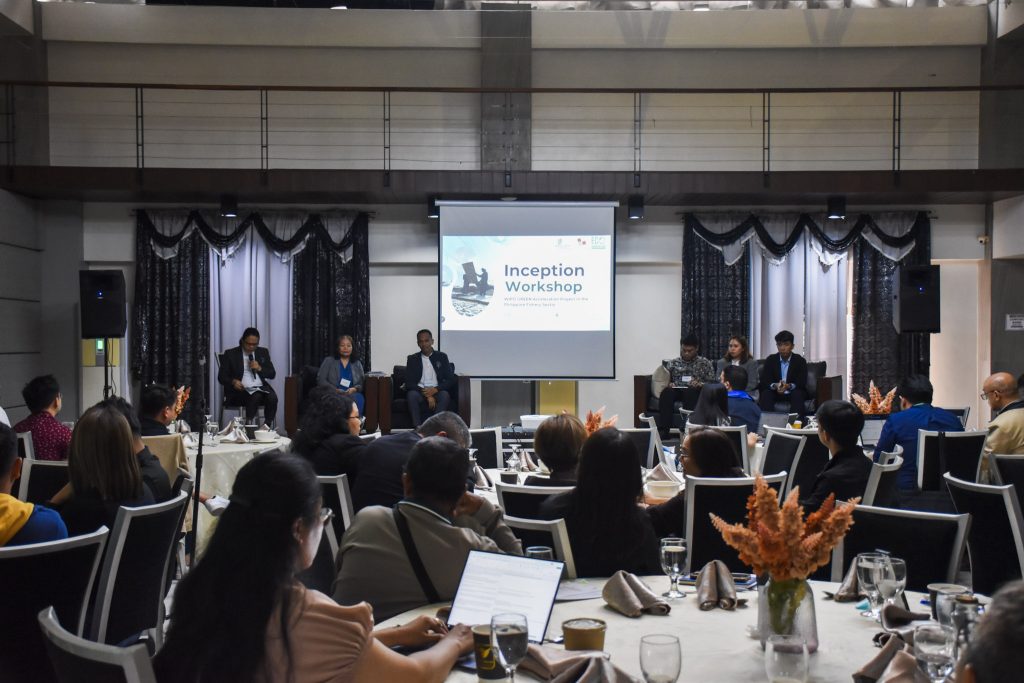
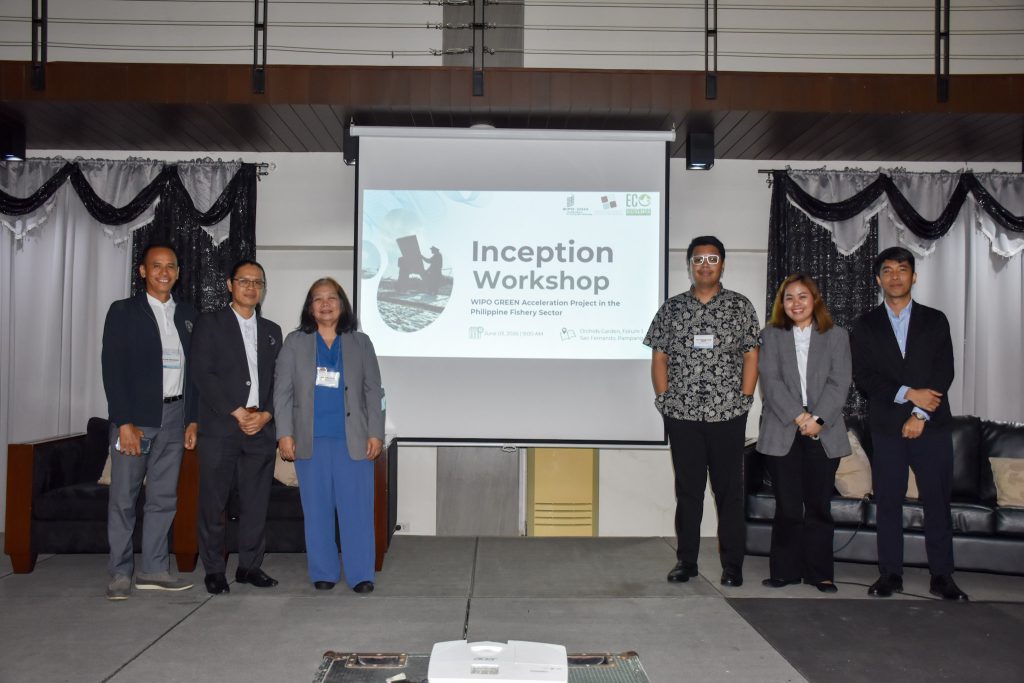
In the afternoon, participants attended a second panel session entitled “Protecting Innovational Inventions: Promoting Technologies and Protecting Innovational Pride through Patents and Licensing.” The session highlighted the importance of intellectual property protection in encouraging innovation and technology commercialization.
The discussion featured Engr. Roi Vincent C. Perez of IPOPHL, Mr. Caezar Angelito E. Arceo of the DOST – Technology Application and Promotion Institute (DOST-TAPI), and Atty. Ninna Joyce P. Delantar of Angara Abello Concepcion Regala & Cruz Law Offices & Intellectual Property Association of the Philippines (ACCRALAW & IPAP). The speakers provided valuable insights on patents, intellectual property rights, licensing opportunities, and the processes involved in protecting innovations and technologies. Participants from government agencies and the private sector also had the opportunity to seek clarification on intellectual property concerns and technology protection strategies.
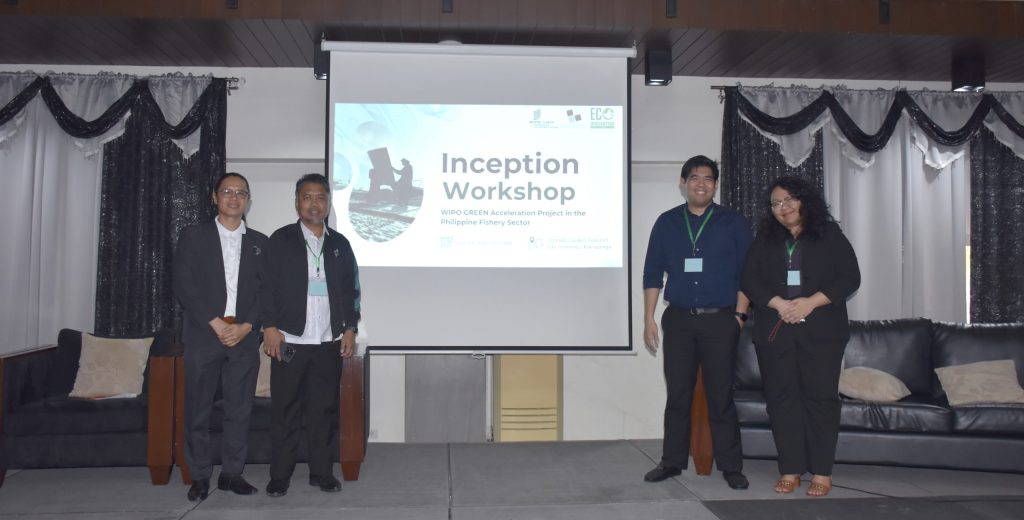
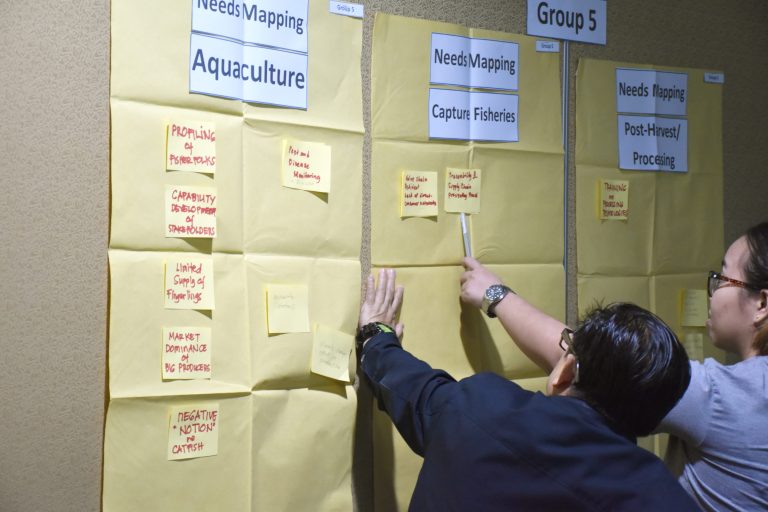
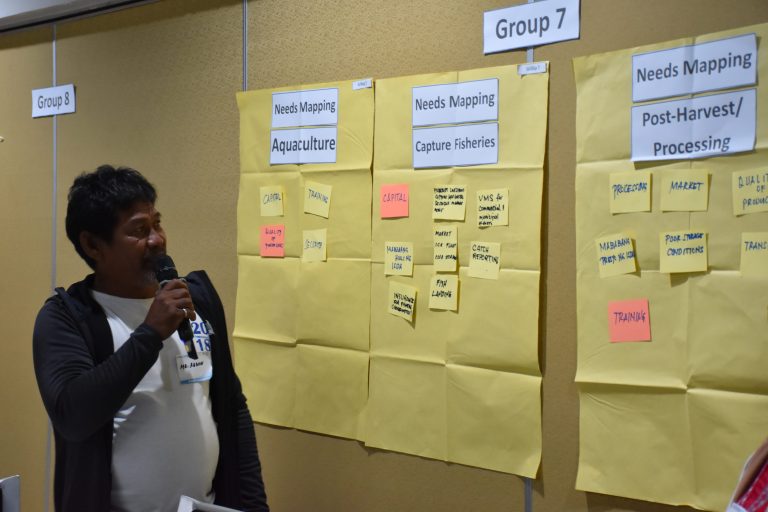
A key highlight of the workshop was the Needs Mapping Activity, which brought together fisherfolk organizations, provincial and municipal LGUs, government agencies, and private sector representatives. Participants identified challenges and needs based on their experiences and observations across the fisheries subsectors of aquaculture, capture fisheries, and post-harvest processing.
Through collaborative discussions, participants mapped out critical issues affecting their respective sectors and proposed technologies, interventions, and support mechanisms that could help address these concerns. The activity also provided valuable information that will guide future matchmaking efforts between technology providers and technology seekers under the WIPO GREEN Acceleration Project.